

Teams in Focus · 2026 Season
CS2 Teams in Focus: Form, Roles, Development
Five organizations are particularly shaping the discussions of the 2026 CS2 season: NAVI, G2 Esports, Team Spirit, HEROIC and PARIVISION. We analyze how they play, what their strengths are based on, and how their rosters are developing — not as a ranking, but as a guide for Bo3 and Bo5.
What really carries a team in Bo3 or Bo5
Individual scores are deceptive. Whether a roster can carry through a series is shown in the map pool, role distribution, and close rounds from the second half onwards. That is exactly what we look at for all five teams on this page.
Use the profiles like this: first read about playstyle and strengths, then check roster development, then compare with tournament format and meta. Further down you will find a short guide for your own evaluation and links to tournaments, roster news, and map pool.
How to read this page
Playstyle first: Tempo, utility usage, and decisions in late rounds.
Then roster: Who fills which role, what does a change do to the system?
Finally format: Bo1, Bo3, and Bo5 reward different strengths.
Strong teams win rounds. Well-coordinated teams win series.
NAVI, G2 Esports, Team Spirit, HEROIC and PARIVISION show five different ways to succeed in the 2026 CS2 Championship.
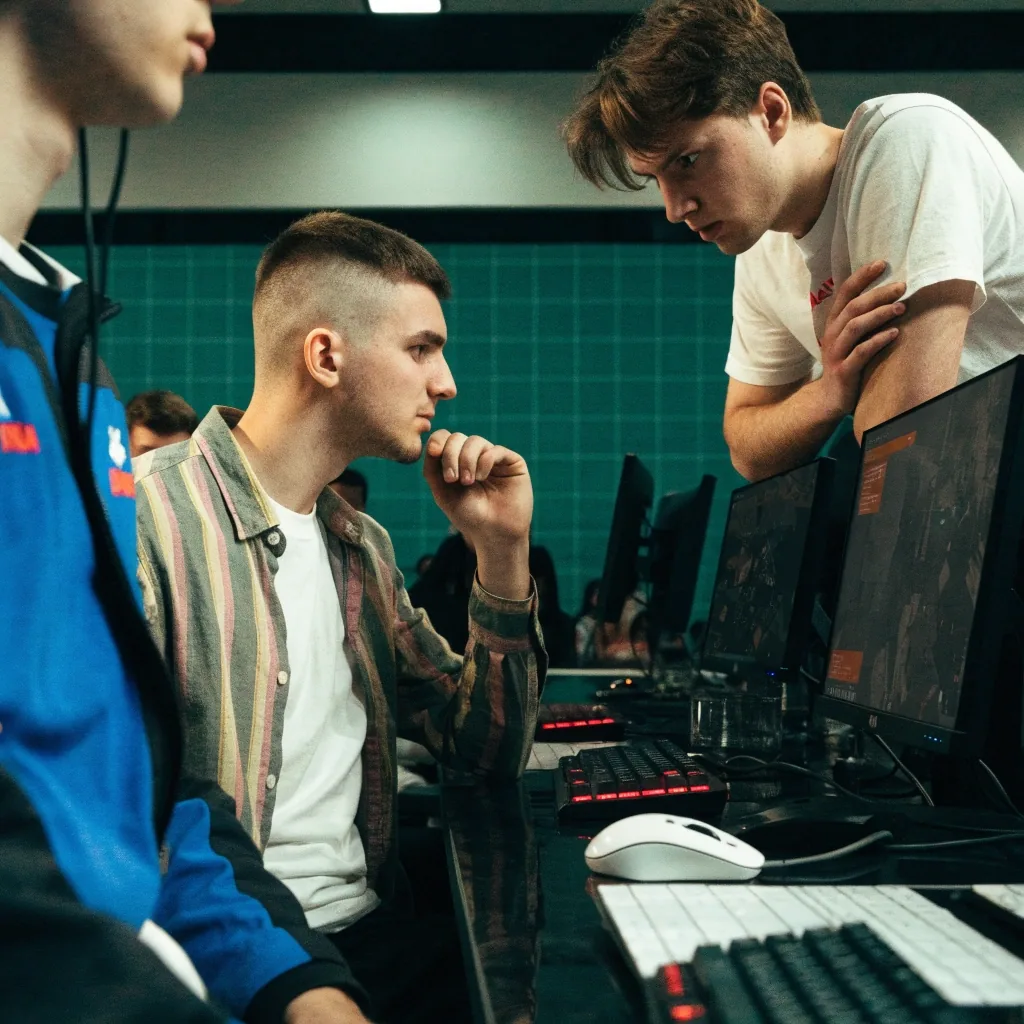
Tactics and star power
Close rounds, clear calls, individual solutions when the plan breaks.
NAVI: tactical level and star power
NAVI is one of the most well-known CS organizations worldwide and is regularly present in major LAN and Major debates. The team stands for a high tactical level, combined with players who can decide close rounds on their own.
This mix makes the NAVI CS2 team the benchmark against which other performances are measured. The large European fan base ensures that every result is immediately discussed widely — a good reason to soberly check form and map pool instead of just looking at names.
G2 Esports: Spectacle with fluctuations
G2 has been one of the most popular European CS brands for years and is known for strong individual players as well as high fan engagement. The organization regularly appears in Major and top-tier debates, often with spectacular but inconsistent top-level CS.
Exactly this mix makes the G2 Esports CS2 team almost always a topic of conversation, even in phases without titles. For classification, this means: check form and roster status before writing off or overrating G2.
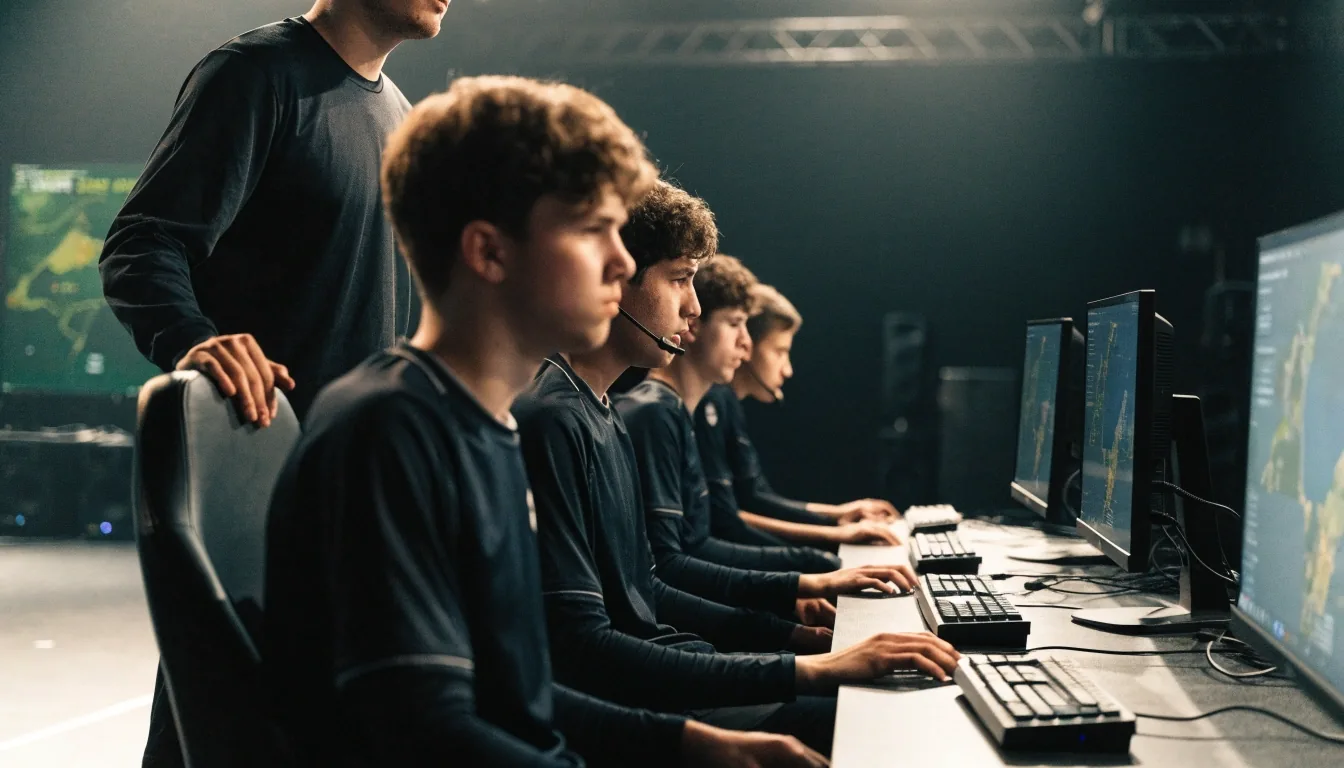
Team Spirit: Structure over glamour
Team Spirit won the CS2 final at the Esports World Cup 2026 and has been one of the strongest lineups in the international top field for years. Notable is the stable core roster that has worked together over long periods, bringing well-coordinated processes.
Why Spirit carries in long series
In Bo5 and playoff scenarios, Spirit appears particularly resilient because the tactical game carries over multiple maps. The 2026 success underscored this role in major playoff formats.
Compare tournament formatsWhat to look for?
Pay attention to utility timing after the first contact and to the calmness in force rounds. That shows whether the structure holds even under pressure.
System versus breakthrough: two paths to the top field
HEROIC builds on roles and discipline, PARIVISION on tempo and new structures.
HEROIC: System, discipline, roster work
Scandinavian school · Role understanding
HEROIC is established as a top Scandinavian organization in CS and stands for structure, discipline, and talent-promoting roster work. Instead of relying on individual star transfers, the organization competes through role understanding and a clear system.
This makes HEROIC CS2 a typical example of modern European Tier 1 CS. The team therefore appears regularly in roster and tournament discussions, even if it does not dominate every headline. Anyone evaluating HEROIC looks at coordination and backup instead of highlights.
PARIVISION: young, fast, relevant
New project · 2026 season
PARIVISION appeared in 2026 in event and roster contexts surrounding the international CS2 scene. The organization is significantly younger than classic Tier 1 brands and stands for fast-growing, modern esports structures.
PARIVISION CS2 is often associated with up-and-coming players and newer projects. That is exactly where the exciting question lies: How quickly can a young project compete against established brands? Watch for qualifier paths and first LAN appearances against experienced opponents.
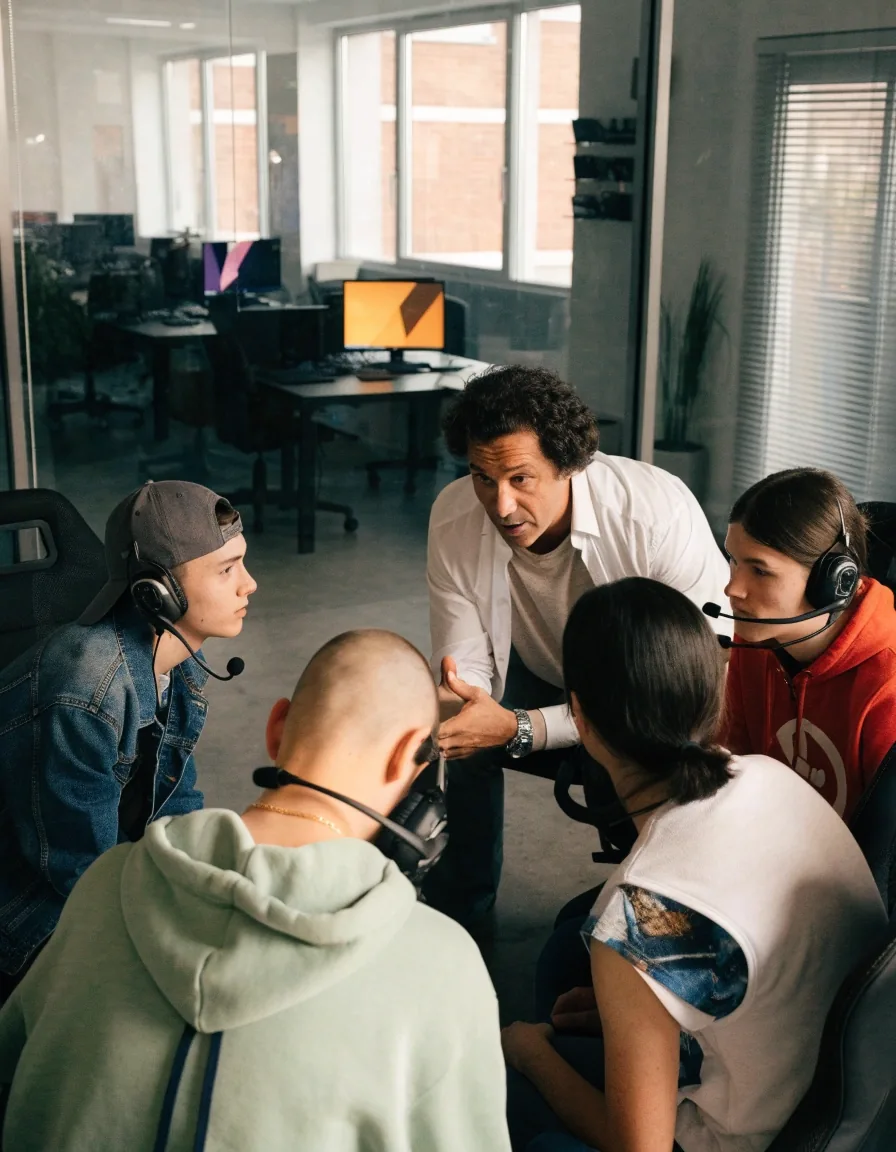
Shorter paths to the top
Scouting, qualifier visibility, and targeted roster decisions replace long lead times today.
Why new organizations become relevant faster
In the past, it took years and several Major appearances to get into the top discussion. Today, shorter paths via scouting, visibility in qualifiers, and targeted roster decisions are enough. PARIVISION shows how quickly a young project slips into conversations about events and rosters.
This shifts the balance of power at the edge of the top field without immediately displacing the top brands. For fans, it is worth looking at second and third qualifier rounds — that is where shifts announce themselves first.
Read current roster updatesComparison aid
Roles instead of just names
Anyone comparing teams will not get far with player names alone. What is decisive is who plays entry, who coordinates utility, and who makes the call in late rounds.
NAVI and Spirit have structures grown over years here, HEROIC works systematically on roles, G2 relies more on individual class. These differences explain why similar roster strengths look different in Bo3 and Bo5.
Entry and second contact: Who creates space, who secures it?
Utility and timing: Who calls smokes and flashes at the right moment?
Late round: Who takes over the decision from 30 seconds?
Classification
Correctly classifying roster updates
A change shortly before a LAN is a signal, not a verdict. Some teams win through fresh input, others lose coordination in the short term.
What is important is whether the new player fills an existing role or rebuilds the system. We follow such movements chronologically in the news so that form curves can be traced.
Practical look at changes
Does the role fit or is the system being rebuilt? The former suggests quick stability, the latter takes time over several events.
Open chronology in the newsHow to evaluate team strength yourself
Three things are worth a look: the team's map pool, the results across multiple formats, and consistency in close rounds. A strong Bo1 team can collapse in a Bo5, a slow starter can turn things around over the course of a series.
Anyone who separates these levels avoids the most common mistake of confusing individual scores with overall form.
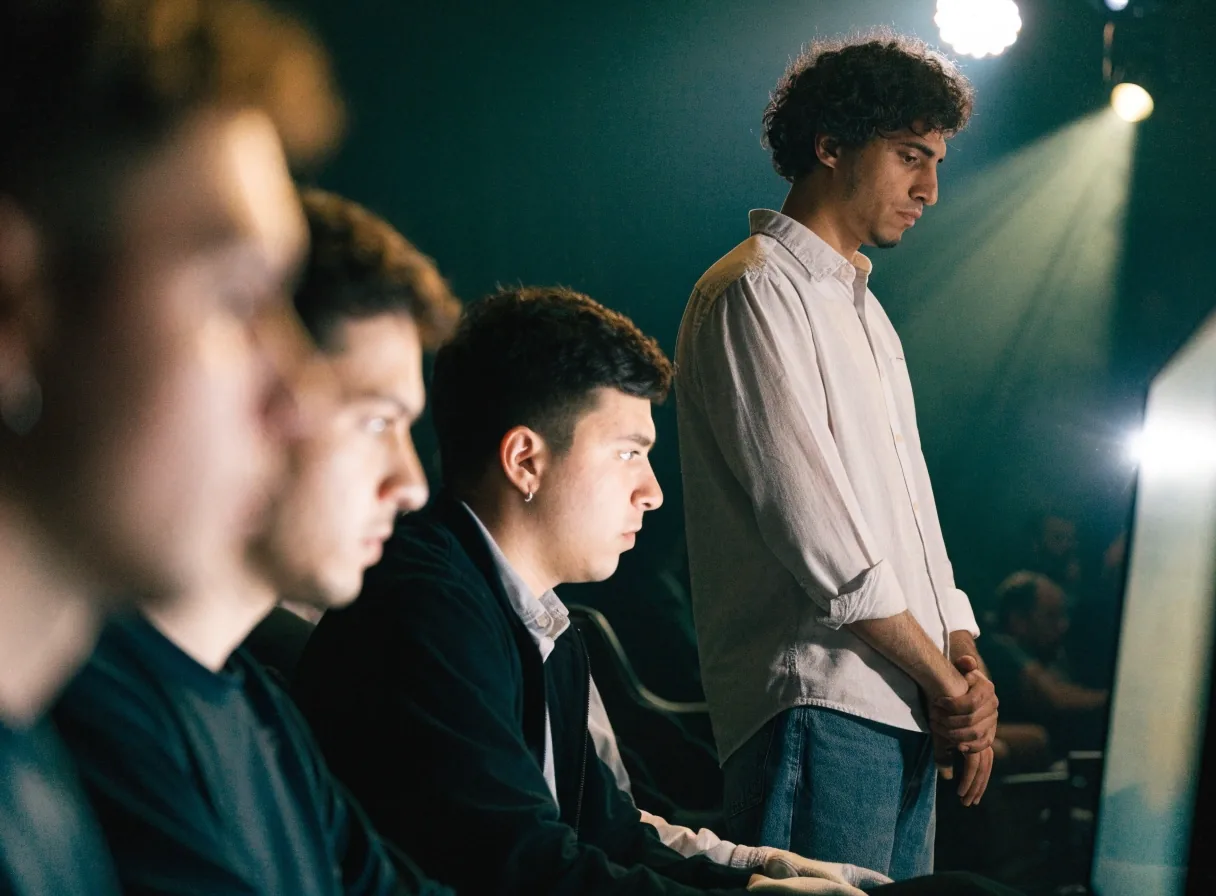
Map pool: breadth beats peak
Count how many maps a team can compete on without veto anxiety. Two favorite maps are enough for a Bo1; for Bo3 and Bo5, you need four to five playable maps with clear plans for both sides.
Separating formats: Bo1, Bo3, Bo5
Always compare results in the same format. Qualifiers with Bo1 surprises say little about LAN playoffs. Watch how NAVI, Spirit, or G2 develop over a series instead of just looking at the first result.
Close rounds and second half
Pay attention to force rounds, retakes, and decisions after the 20th point. Teams with clear roles — like HEROIC or Spirit — seem calmer there, while individually strong squads solve more through individual actions.
Want to dive deeper? The meta guide explains the season's map pool and tactics.
Open meta guide
Your next step: seeing form in context
Compare tournament formats, read current roster updates chronologically, and check the map pool in the meta guide. This turns individual results into a picture of the 2026 season.
Seestern Freizeitcenter · Niederkasseler Lohweg 22, 40547 Düsseldorf · Monday–Friday 09:00–18:00, Saturday 10:00–14:00